

What Is Acid Peptic Disease?
Acid peptic disease refers to conditions where excess stomach acid damages the inner lining of the stomach or the first part of the small intestine. This can lead to irritation, inflammation, and ulcers. It is a common digestive problem that affects people of all age groups. Under the expert care of Dr. Praneeth Movva, patients receive accurate diagnosis and effective treatment for long-term relief.
Understanding Peptic Ulcer Disease
Peptic ulcer disease occurs when open sores develop in the lining of the stomach or duodenum due to acid damage. These ulcers can cause discomfort and may lead to complications if untreated. Early diagnosis and proper management help in complete healing and prevention of recurrence.
Common Symptoms to Watch
Acid peptic disease and ulcers often present with clear symptoms that should not be ignored.
- Burning or gnawing pain in the upper abdomen
- Bloating and indigestion
- Nausea or vomiting
- Loss of appetite
- Pain that worsens on an empty stomach
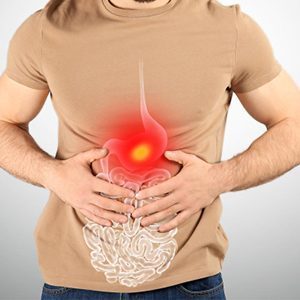
If these symptoms persist, medical evaluation is necessary.
Causes and Risk Factors
The most common causes include excessive acid production, infection with bacteria, and long-term use of certain medications like painkillers. Lifestyle factors such as stress, irregular meals, smoking, and alcohol consumption can increase the risk. Identifying the cause helps in choosing the right treatment plan.
Gastric & Duodenal Ulcers
Gastric ulcers occur in the stomach, while duodenal ulcers develop in the upper part of the small intestine. Both types are caused by damage to the protective lining due to acid. Gastric ulcers often cause pain after eating, whereas duodenal ulcers may cause pain when the stomach is empty. Proper diagnosis helps differentiate between the two and ensures targeted treatment.
H. pylori Eradication
Helicobacter pylori (H. pylori) is a common bacterial infection that plays a major role in causing ulcers. Eradicating this bacteria is essential for complete healing and preventing recurrence. Treatment usually includes a combination of antibiotics and acid-reducing medications. Successful eradication significantly improves long-term outcomes.
Diagnosis and Evaluation
Doctors may recommend tests such as endoscopy, blood tests, or breath tests to confirm the diagnosis and identify the cause. Endoscopy helps visualize the stomach lining and detect ulcers directly. Accurate evaluation ensures effective and personalized treatment.
Treatment Options
Treatment focuses on reducing acid, healing the lining, and addressing the underlying cause.
- Medications to reduce acid production
- Antibiotics for bacterial infection
- Lifestyle and dietary changes
- Avoidance of triggering foods and habits
With proper treatment, most patients experience complete relief and healing.
Importance of Lifestyle Changes
Healthy habits play a key role in managing acid-related conditions. Eating regular meals, avoiding spicy and oily foods, reducing stress, and limiting alcohol intake can significantly improve symptoms and prevent recurrence.
When to Consult a Specialist
If you experience persistent abdominal pain, frequent acidity, or symptoms that do not improve with simple remedies, it is important to seek medical advice. Early treatment helps avoid complications like bleeding or perforation.
Expert Care for Lasting Relief
With advanced diagnostic methods and a patient-focused approach, Dr. Praneeth Movva provides comprehensive care for acid peptic disease and peptic ulcer disease. Timely treatment and expert guidance can restore digestive health and improve overall well-being. Book your appointment today for effective and lasting relief.