

What Is Manometry?
Esophageal and anorectal manometry are specialized tests used to measure the strength and coordination of muscles in the digestive tract. These tests evaluate how well the esophagus (food pipe) and rectum function during swallowing and bowel movements. They help identify problems that may not be visible through standard imaging. Under the care of Dr. Praneeth Movva, these tests are performed with precision and patient comfort.
Why Is Manometry Important?
Manometry plays a key role in diagnosing functional disorders of the digestive system. Many patients experience symptoms like difficulty swallowing or chronic constipation without a clear cause. These tests provide detailed information about muscle activity and pressure, helping doctors understand the exact issue and plan the right treatment.
Symptoms That May Need Manometry
Doctors may recommend esophageal or anorectal manometry if you have persistent symptoms that affect daily life.
- Difficulty swallowing food or liquids
- Frequent chest discomfort not related to the heart
- Chronic constipation or incomplete bowel movements
- Fecal incontinence or loss of bowel control
- Unexplained digestive discomfort
Identifying the cause early helps improve quality of life and prevents complications.
Conditions Diagnosed With Manometry
Manometry is used to diagnose several functional disorders. Esophageal manometry can detect conditions like achalasia, esophageal spasms, and swallowing disorders. Anorectal manometry helps identify problems such as pelvic floor dysfunction, chronic constipation, and issues with bowel control. These tests provide clear insights that guide effective treatment.
How the Procedure Is Performed
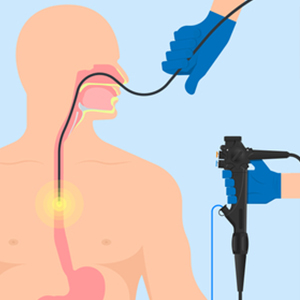
Manometry is a simple and minimally invasive procedure. For esophageal manometry, a thin tube is gently passed through the nose into the esophagus to measure muscle contractions during swallowing. For anorectal manometry, a small catheter is inserted into the rectum to assess muscle function and pressure. The procedure is usually quick and does not require sedation in most cases.
Benefits of Manometry Testing
Manometry offers several advantages in diagnosing and managing digestive disorders.
- Provides accurate measurement of muscle function
- Helps diagnose conditions that imaging cannot detect
- Guides personalized treatment plans
- Minimally invasive with quick recovery
Preparation and Aftercar
Preparation for manometry is simple. Patients may be asked to avoid eating for a few hours before the test. After the procedure, there is usually no downtime, and normal activities can be resumed immediately. Mild discomfort may occur but typically resolves quickly.
When to Consult a Specialist
If you have ongoing swallowing difficulties, chronic constipation, or bowel control issues, it is important to seek medical evaluation. Early testing can help identify the problem and prevent long-term complications.
Expert Diagnostic Care
With advanced techniques and a patient-focused approach, Dr. Praneeth Movva provides reliable esophageal and anorectal manometry services. Accurate diagnosis leads to effective treatment and improved digestive health. Book your consultation today for expert care and better well-being.